
In This Article
Why a Cob Oven
Wood-fired ovens reach 700–900°F — temperatures that turn bread into something genuinely different from anything you can make in a domestic electric oven. The thermal mass of the cob dome stores heat and releases it evenly over hours, giving you descending-temperature baking that is ideal for bread (high heat initial burst for oven spring, then dropping temperature for a long, even bake). The same oven fire that bakes your bread can also roast a chicken, cook beans overnight, and dry herbs.
For off-grid living, the practical case is straightforward: no electricity, no gas, no dependency on a grid you don't control. A fire from your woodpile runs the oven. The materials — clay, sand, straw — are either on your land already or available for a few dollars locally. Once the oven is built, the operating cost is whatever wood you would have burned anyway.
How a Cob Oven Works
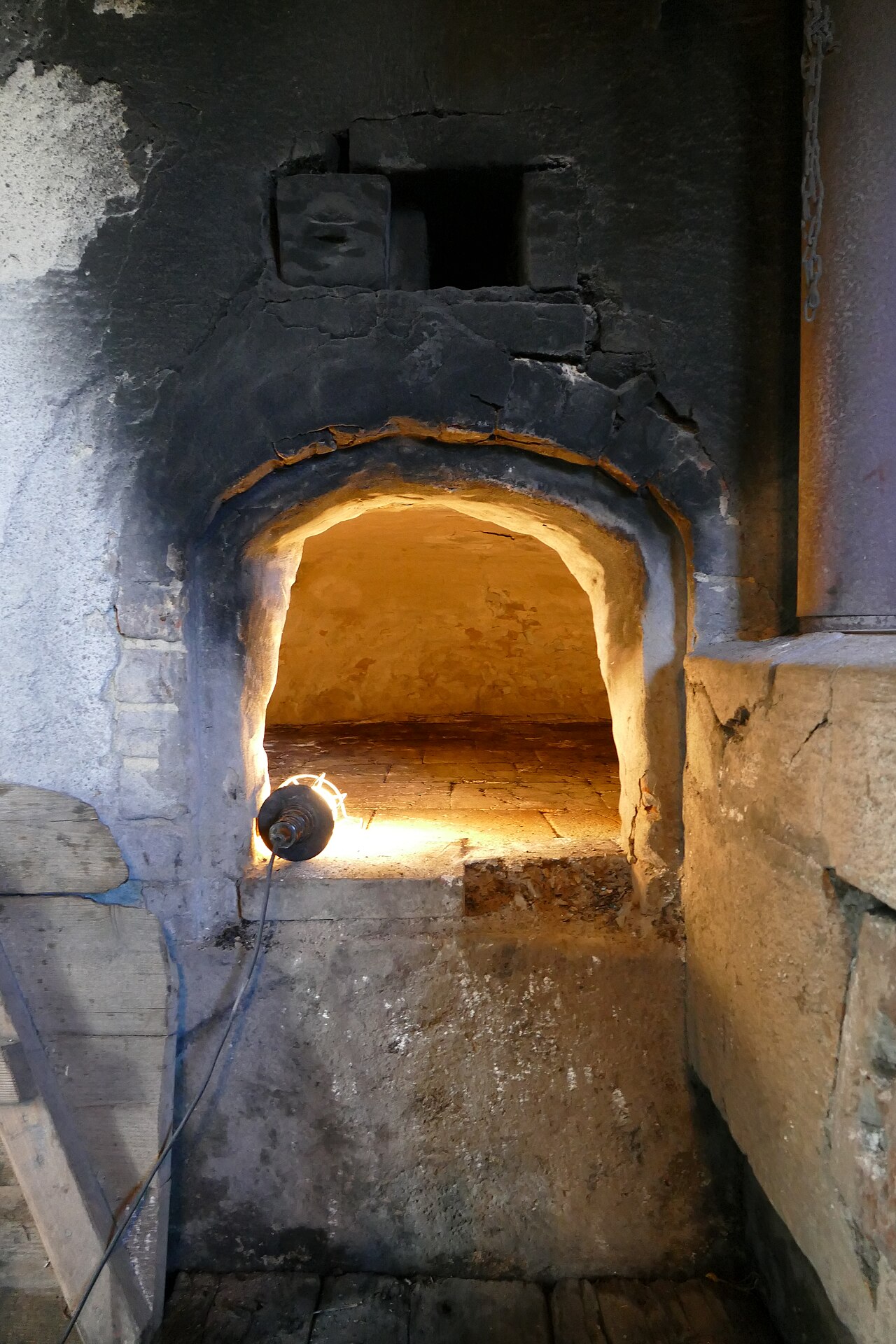
The principle is thermal mass. You build a fire inside the dome for 1.5–3 hours, heating the cob walls to 600°F+. When the fire has burned to coals, you rake them out (or push them to the side for retained-heat cooking), and slide the bread in. The dome radiates stored heat evenly from all sides — top and bottom simultaneously — with no hot spots or cold spots.
The door-to-dome height ratio is critical: the door opening should be 63% of the interior dome height. This ratio controls draft and heat retention. A door that is too tall loses heat; too short and the fire smothers.
Materials List and Cost
| Material | Use | Cost |
|---|---|---|
| Fire brick or refractory brick (20–25) | Oven floor | $20–$40 |
| Clay-rich subsoil (on-site, or purchase) | Cob mix | $0–$15 |
| Sharp sand (1 part to 3 parts clay) | Cob mix | $5–$10 |
| Straw (1 bale) | Outer thermal layer reinforcement | $5–$10 |
| Sand (for dome form, 2–3 bags) | Interior dome shape former | $8–$15 |
| Newspaper (1 layer) | Separates sand form from inner cob layer | $0 |
| Cinderblocks or stone (stand) | Foundation/stand | $0–$30 |
| Total | $38–$120 |
Building the Foundation and Stand
The oven needs to be at a comfortable working height — typically waist-height (32–36 inches). Build a stand from cinderblocks, stone, or timber to reach this height on a level, stable base. Fill the interior of the stand with rubble, gravel, or broken concrete to create a thermal mass base that holds heat. Top with a 4-inch layer of sand as an insulating pad, then lay your fire bricks flat on the sand to form the oven floor.
The fire brick floor is the part that takes the most abuse. Lay them without mortar, level and tightly fitted. A 24-inch diameter oven floor gives you room for two large loaves; 30 inches accommodates three or a large pizza.
The Cob Mix
Cob is a mixture of clay, sand, and straw. The ratio for oven cob is approximately 1 part clay to 1 part sand (no straw) for the inner thermal layer — straw burns out of the inner layer during high-temperature firings, weakening it. The outer insulating layer uses clay-sand-straw cob in a ratio of roughly 1:1:2 by volume.
Test your clay: grab a fist-sized ball and let it dry. If it shrinks massively and cracks, it’s too much clay — add sand. If it crumbles when dry, not enough clay — add clay. A workable cob mix should form a ball that holds its shape when squeezed, doesn’t stick aggressively to your hands, and has no large lumps.
Building the Dome
- Make the sand form: pile damp sand on the fire brick floor into a dome shape. Pack it firmly. The inside diameter should be 24–30 inches; height approximately 16–20 inches. Cover the sand with a single layer of damp newspaper — this tells you where the sand form ends when you excavate it later.
- Apply the inner thermal layer: pack 3–4 inches of clay-sand cob (no straw) firmly over the entire sand dome. Work from the base up in horizontal bands, pressing firmly to eliminate voids. Let this layer stiffen for several hours before continuing.
- Cut the door opening: once the inner layer is leather-hard (firm but not fully dry), mark and cut the door opening. The opening should be centered at the front, approximately 8–10 inches wide. Height = 63% of interior dome height. A straight edge saw or knife through the still-workable cob works well.
- Excavate the sand form: scoop out the sand through the door opening. The newspaper layer tells you when you’ve reached the inner cob surface. Save the sand for later use.
- Apply the outer insulating layer: 3–4 inches of clay-sand-straw cob over the entire dome. This layer retains heat during baking. A second outer layer of pure straw-clay slip (very wet clay mix) applied as a finish coat improves weather resistance.
- Dry thoroughly: allow 1–2 weeks of air drying before the first fire. Do not rush this with a large fire — rapid drying causes cracking.
Curing and the First Fires
After air-drying for 1–2 weeks, the oven still holds significant moisture deep in the cob walls. Cure it over 3–5 progressively larger fires to drive that moisture out slowly. The goal is controlled evaporation — push too fast and the steam expands faster than it can escape, causing cracks that run deep into the structure.
- Fire 1: small candle or handful of twigs, 30 minutes — just enough to warm the dome slightly
- Fire 2 (next day): small fire, 45–60 minutes; the dome should feel warm to the touch across the exterior
- Fire 3: medium fire, 1 hour; you can see steam rising from the cob as moisture exits
- Fires 4–5: larger fires building toward full temperature over the following days
Some hairline cracking is normal and expected. It's the clay contracting as it fully dries, not a structural problem. Fill hairline cracks with a thin clay-sand slip — the consistency of heavy cream — pressed firmly into the crack with a finger and smoothed flush. Deep structural cracks (1/4″ or wider) indicate too-rapid drying or a mix that was too clay-heavy. Patch them thoroughly and adjust the sand ratio in any repairs.
Baking in a Cob Oven
For bread: build a full fire and keep it going for 2 hours minimum. At temperature, the inside of the dome will be white or pale gray (all carbon burned off). Rake coals out or push to the sides. Check temperature with a laser thermometer or the classic method — toss a small piece of newspaper in; if it ignites immediately, it’s too hot. If it browns in 5 seconds, it’s ready for bread (around 450–500°F). Slide loaves in, seal the door, and wait 30–45 minutes.
For pizza: fire with coals pushed to one side. Pizza at high heat (700°F+) cooks in 90–120 seconds. Rotate halfway through with a peel.
Retained heat cooking: after bread baking, the oven drops through a long, useful temperature gradient. Roast vegetables while the oven is still at 350–400°F. Slide in a covered cast iron pot of beans as it falls through 300°F; they'll cook low and slow as the dome cools. By evening, you can lay herbs on the bare floor to dry in the residual warmth. One firing, four hours of cooking, no additional fuel.
Keep a Firing Log
Track how long you fire, with what wood, and what temperatures you achieve at what times. After a dozen firings, you’ll know exactly how much wood and time your specific oven needs for each baking task. Every oven behaves slightly differently.
Weather Protection
An outdoor cob oven needs a roof. This is not optional. Rain on a hot or warm oven causes thermal shock cracking as the outer surface contracts suddenly against a still-hot interior. Rain on a cold oven slowly dissolves the outer clay layer, season by season, until the structure fails. A simple 4-post shelter with a corrugated metal roof built over the oven extends its life from years to decades with almost no ongoing maintenance.
If a shelter isn't feasible, apply a limewash or earthen plaster finish to the exterior each spring before your main firing season. Limewash (slaked lime in water) forms a breathable, weather-resistant skin that protects the cob and can be reapplied in an afternoon. Either way, inspect the outer surface every year for cracks wide enough to admit water and fill them before the first winter rain hits.
Was this article helpful?